Recent events near Rennes have raised serious concerns and questions about the safety of photovoltaic installations. Two major fires broke out in Montauban-de-Bretagne and Saint-Thurial, destroying several houses and prompting an investigation into the responsibility of solar panels, often presented as an ecological and sustainable solution. Initial findings seem to indicate that these installations could be the source of the flames, raising crucial questions about the safety of this equipment. The images of the still smoking houses, with firefighters being mobilized all afternoon, are chilling. So, what is really happening with solar panels?
Fires in Montauban-de-Bretagne and Saint-Thurial: the red alert!
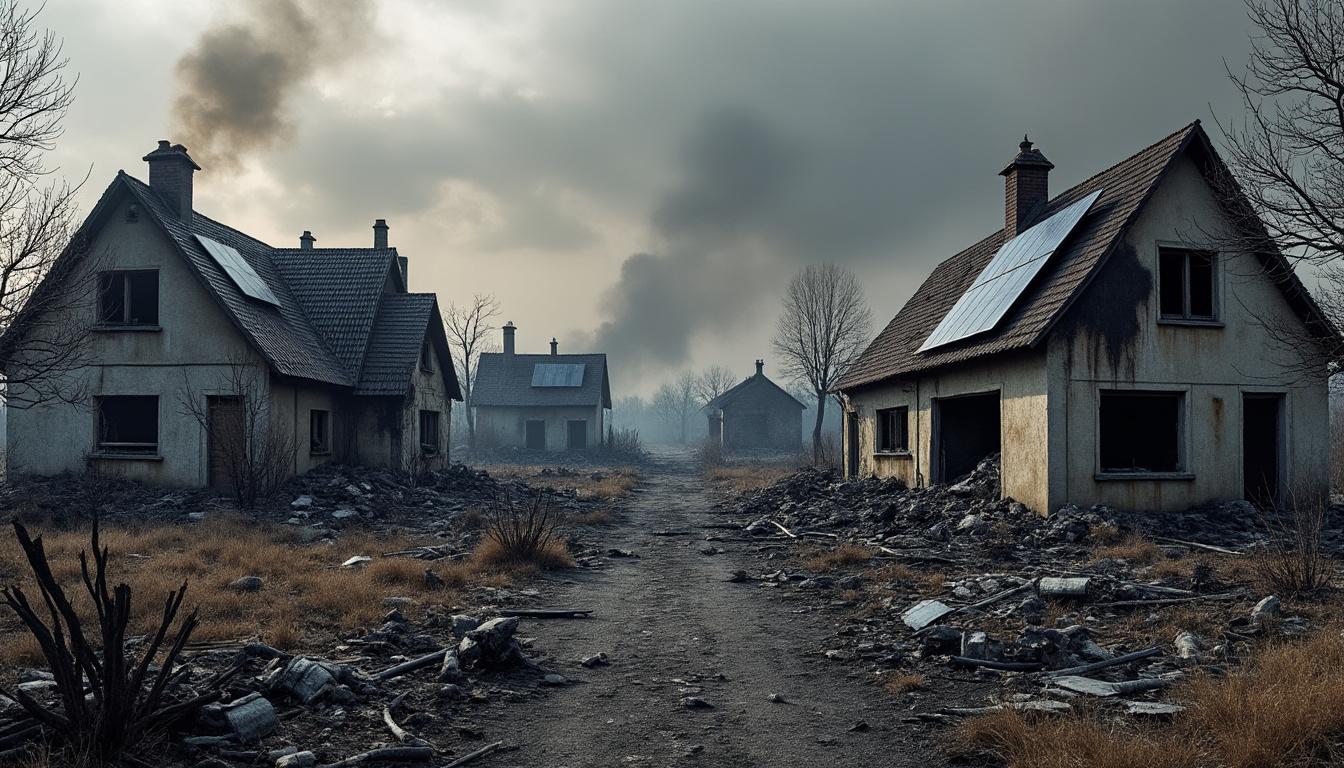
On Wednesday, June 18, 2025, the tranquility of several neighborhoods near Rennes was abruptly interrupted by devastating fires. In a single afternoon, two fire outbreaks caused colossal damage in Saint-Thurial and Montauban-de-Bretagne, just 25 kilometers apart. According to the gendarmes, several houses were affected by fires that seem to have originated near the solar panels.
Firefighters, mobilized in haste, deployed no less than 38 firefighters and several hoses to control the blaze. In total, five houses were impacted, leaving around twenty occupants without shelter. Fortunately, no injuries have been reported, but the shock has been hard for the residents, who are now seeking temporary housing.
These incidents raise a multitude of questions. Why do fires ignite near solar panels? What are the health risks for the environment and the population? It is essential to understand the potential mechanisms that could explain this phenomenon.
Possible causes of the fires: a favorable terrain?
In the days that followed, investigations were launched to determine the causes of the fires. At first glance, the link between the photovoltaic panels and these incidents seems obvious, but other factors may be at play. Here are some avenues to explore:
- 🌞 Weather conditions: The heatwaves that have recently affected the region could have exacerbated the fire risk on electrical installations.
- 🔌 Defective installation: A faulty installation or technical defect from a panel manufacturer could be to blame.
- 💡 Quality materials: The quality of the materials used in the manufacturing of solar panels can also be problematic, affecting their fire resistance.
- 🏠 Neglected maintenance: A lack of regular maintenance could allow the accumulation of flammable residues, thus increasing the risk of fire.
It is therefore necessary to wait for the results of the investigations to learn more about the real causes of these incidents. This alarming situation, especially in a context where renewable energy is often promoted as a “pro-ecological” solution, truly questions the safety of rooftop installations.
Solar panels: beyond concerns
In a world where climate change is becoming a major issue, the transition to renewable energies is widely encouraged. However, incidents like these highlight potential flaws in the general perception of the risks associated with solar panel installations.
The statistics speak for themselves: a survey of professionals revealed that over 65% admit to noticing an increase in incidents related to solar panel installations. This figure, when correlated with the rise of photovoltaic installations, could lead to reflections on the need to reassess safety standards. Indeed, *civil protection* and the proper functioning of safety devices must be ensured to prevent such catastrophes.
A matter of safety and environment
Many stakeholders in the sector, including installers and manufacturers, are called upon to take responsibility. Whether it is developing new standards or improving practices, the priority must be to ensure user safety. Here are some steps to consider:
- 1️⃣ Training initiatives: Raise awareness among installers about good safety and installation practices.
- 2️⃣ Regular checks: Conduct more frequent inspection visits to limit accident risks.
- 3️⃣ Improve information: Facilitate access to information on the safety of installations for all users.
- 4️⃣ Technological advancements: Encourage the development of solar panels with less fire risk.
In this context, investing in safer and more sustainable systems must take precedence. Solar panels have the potential to revolutionize our relationship with energy, but the question of safety should not be underestimated.
Focus on local news: reactions and testimonials
In Rennes and its surrounding areas, residents have reacted strongly after these fires. Testimonials are emerging from residents of Montauban-de-Bretagne and Saint-Thurial. Some express anxieties about the safety of their own solar panel installation. Others call for a more rigorous legislative framework.
Neighborhood meetings are being organized to discuss common concerns. Many residents wish to advocate for greater transparency and exchange advice on best safety practices. Here are some responses collected from the victims:
| Testimonial | Felt Impact |
|---|---|
| “We have lost a lot.” – A resident of Montauban | Feeling of insecurity and fear of managing renewable energy. |
| “We no longer want to be afraid in our home” – A homeowner in Saint-Thurial | Call for enhanced safety measures for installations. |
| “It is time for measures to be taken.” – A former firefighter | Support for calls for stricter standards. |
These exchanges underline the importance of structuring information and properly framing risks for everyone’s well-being. Could solar panels become a danger in their homes, or could the debate lead to a regulation of installations to turn them into a true source of green and safe energy?
Safety of solar panels: what you need to know!
The debate surrounding fire and the safety of solar panels has surfaced in many discussions lately. The ongoing investigation may change perceptions, for both installers and end-users. It is crucial to clarify certain fundamental aspects.
Best practices to ensure safety
There are simple measures users can adopt to minimize fire risks associated with solar panels. Here is a panel of practical tips:
- 🚨 Frequent inspection: Conduct regular verification visits of the installation.
- 🔧 Hire professionals: Ensure that the installation is carried out by certified experts only.
- 📜 Follow regulations: Stay informed about current standards and comply with local conditions.
- 🔥 Install fire safety devices: Integrate safety systems such as smoke detectors.
Enhanced vigilance is essential to ensure a calm use of photovoltaic installations. A perfect fusion between sustainable development and safety is necessary to avoid disasters. For more details on fire safety related to panels, you can consult this link: Roof fire solar panels.
FAQ on risks related to solar panels
To conclude this article, here are several frequently asked questions regarding the safety concerns of solar panels:
1. Can solar panels really trigger fires?
Yes, although rare, installation faults or failures can lead to fire risks in certain circumstances.
2. What safety measures should be adopted?
It is recommended to perform regular maintenance of the panels, have them installed by certified professionals, and use safety devices.
3. Who is responsible in case of an incident?
Responsibility may fall on the installer in case of non-compliance with safety standards.
4. Do insurance policies cover damage caused by a fire related to panels?
Yes, but it is important to check the specific clauses of each home insurance contract.
5. Are there any statistics on fires related to solar panels?
Studies reveal that the risk is relatively low, but exceptional circumstances can increase the probability of incidents.