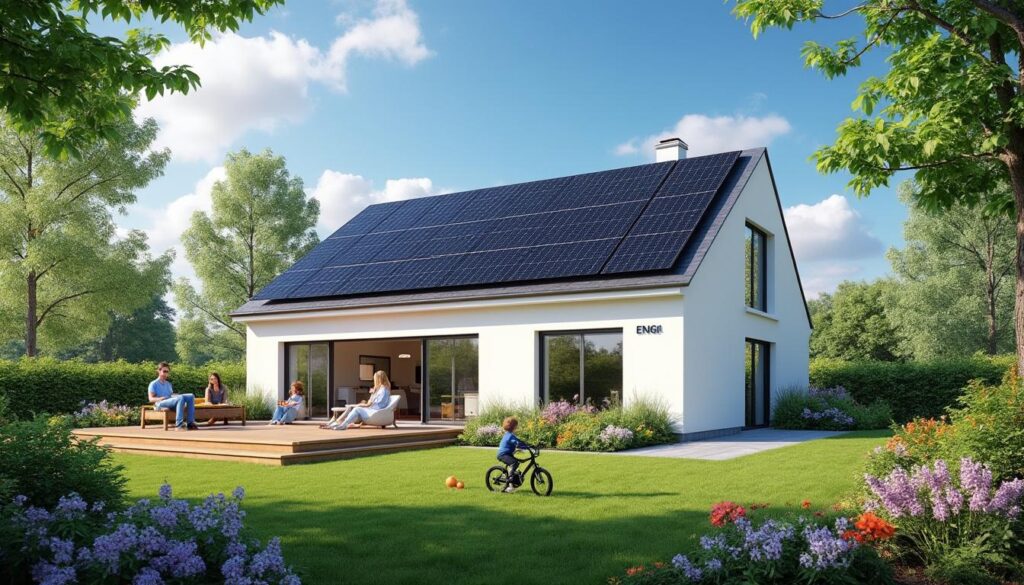
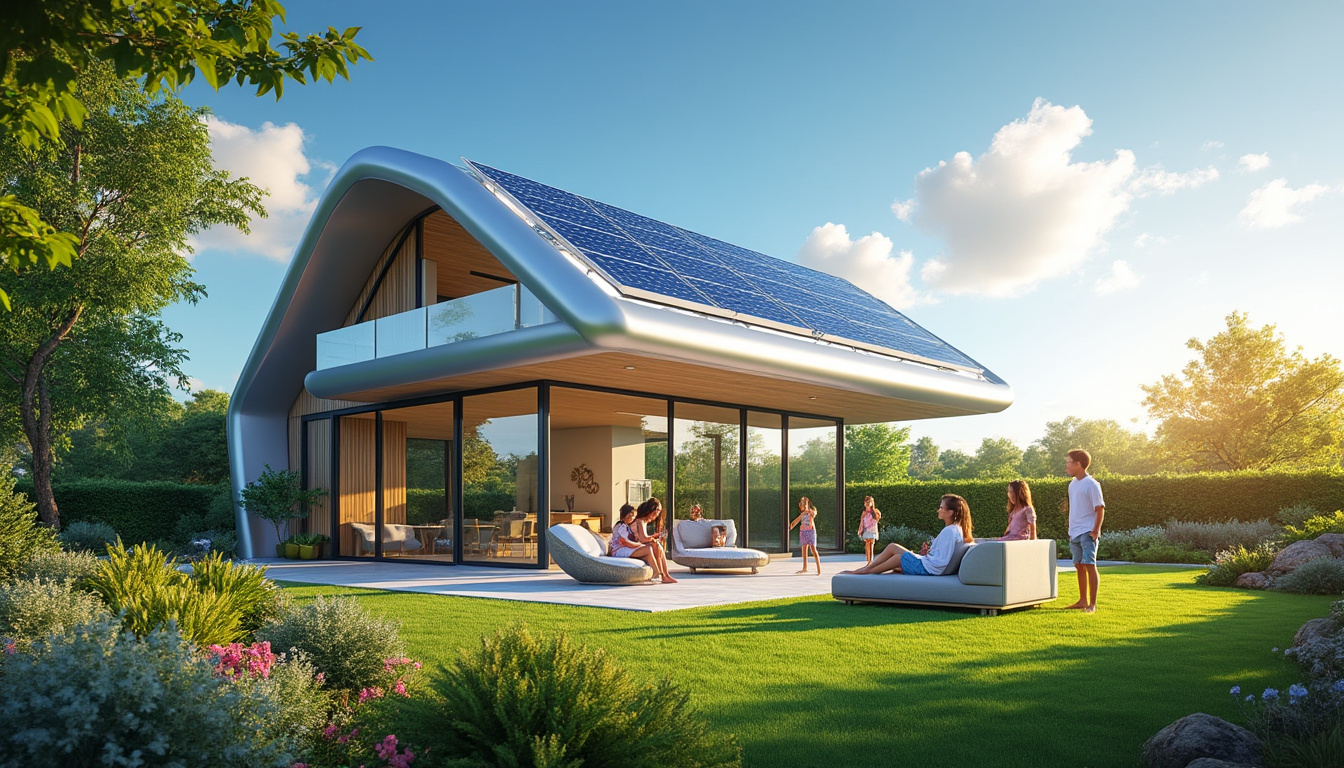
The increasing concerns about the environment and the need for energy savings are driving more households to consider sustainable energy solutions. In this quest, flexible solar panels stand out for their numerous qualities. Combining practicality and efficiency, these radiant devices emerge as the ideal solution to beautify your home while preserving the planet. In 2025, technology has evolved, allowing for even more harmonious and efficient integration into our homes. The benefits of flexible solar panels extend beyond their energy performance, also touching on aspects such as aesthetics, installation flexibility, and respect for humanity and its environment.
Unmatched Lightness and Flexibility
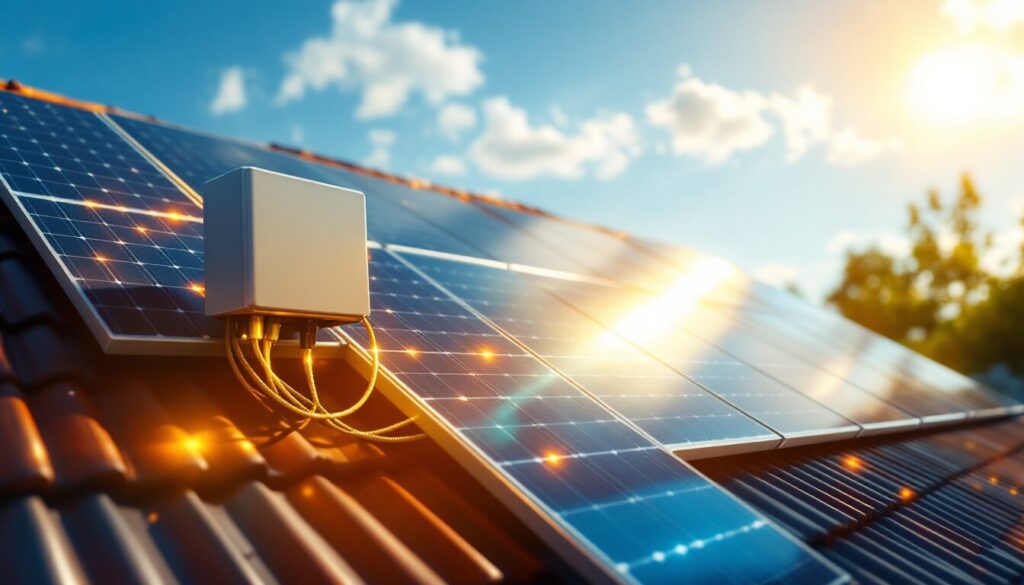
Flexible solar panels greatly distinguish themselves from their rigid version by their lightness and flexibility. Indeed, they can be up to 80% lighter than traditional photovoltaic panels. This disrupts installation norms. Gone are the headaches of heavy loads on roofs. These panels can be easily installed not only on roofs but also on more delicate surfaces like RVs, sailboats, and even tents or temporary structures.
This flexibility also allows for optimizing space usage. How about installing rolled panels around a column or on a wall that is not typically used for energy production? These opportunities are unique to the innovations of flexible solar panels.
- Adaptability to irregular surfaces
- Easy installation without heavy supports
- Ideal for recreational vehicles
Performance Under Varied Conditions
Another major asset of flexible solar panels is their ability to perform even in less than ideal sunlight conditions. Unlike rigid models, which lose efficiency under extreme heat or partial shade, flexible panels show resilience. They capture solar energy even in urban or forested environments, where light may be filtered by buildings or trees. This means they adapt to the constraints of the real world.
Laboratory tests show that flexible solar panels can generate high yields even in cloudy weather or under varying light intensities. For urban users, this can translate into much more stable energy production, maximizing their savings on electricity bills.
| Usage Condition | Efficiency of Flexible Panels | Efficiency of Rigid Panels |
|---|---|---|
| Direct Sunlight | 95% | 100% |
| Partial Shade | 80% | 50% |
| Cloudy Weather | 70% | 30% |
Financial Accessibility of Flexible Solar Panels
One of the barriers to the adoption of solar panels has always been the cost. However, with flexible solar panels, this is not the case. Their purchase and installation costs are generally lower than those of rigid panels. This economic gain makes them an attractive solution, especially for budget-conscious households.
The materials used for their manufacture are often less expensive, and the simplicity of the installation also significantly reduces labor costs. For small installations, such as those by individuals wishing to produce their own electricity, this can make a huge difference. Additionally, the ease of setup involves fewer administrative complications and reduced waiting times.
- Quick installation, limiting labor costs
- Lightweight devices, no need for heavy reinforcements
- Generally lower costs than rigid models
Long-Term Savings
When discussing savings, it is important to not only focus on the initial investment. By producing your own electricity through flexible solar panels, you become your own supplier. You will no longer need to rely entirely on energy providers and market price fluctuations. Especially with recent changes in energy policies, having this independence becomes not only desirable but necessary.
Even today, in practice, households that choose flexible solar panels see a return on investment in less than ten years, thanks to savings on their electricity bills and available assistance.
| Type of Panel | Initial Cost | Return on Investment (years) |
|---|---|---|
| Rigid Panels | €8,000 – €15,000 | 10-15 |
| Flexible Panels | €5,000 – €10,000 | 5-10 |
Durability and Resilience of Flexible Solar Panels
An often underestimated aspect is the durability of flexible solar panels. Contrary to a common belief that their flexibility makes them fragile, these panels are often made with sturdy materials capable of withstanding various climatic conditions. Whether it rains, snows, or is very hot, these devices remain effective and safe.
Moreover, their resistance to shocks and impacts can be significantly higher than that of rigid panels. When considering their use in varied environments, such as on RVs or outdoor installations, this durability becomes an essential criterion in choosing. For users, knowing they have a product capable of withstanding extreme conditions offers added peace of mind when making an investment.
- Weather-resistant materials
- Assured longevity despite shocks
- Reduced maintenance due to their robustness
Recyclability and Environmental Impact
Flexible solar panels are not only a practical choice but also an environmentally friendly one. The lifespan of a solar panel is around 20-25 years, and when they reach the end of their life, they can be recycled up to 95%. This represents a significant advantage that contributes to reducing waste in our landfills.
As part of sustainable development initiatives, these panels help reduce your carbon footprint. By producing your own electricity and minimizing dependence on fossil fuels, users actively participate in a green initiative that will benefit future generations.
| Environmental Aspects | Flexible Panels | Rigid Panels |
|---|---|---|
| Recyclability | 95% | 80% |
| Carbon Impact Over Life Cycle | Minimal | High |
| Estimated Lifespan | 20-25 years | 25-30 years |
Aesthetics and Harmonious Integration
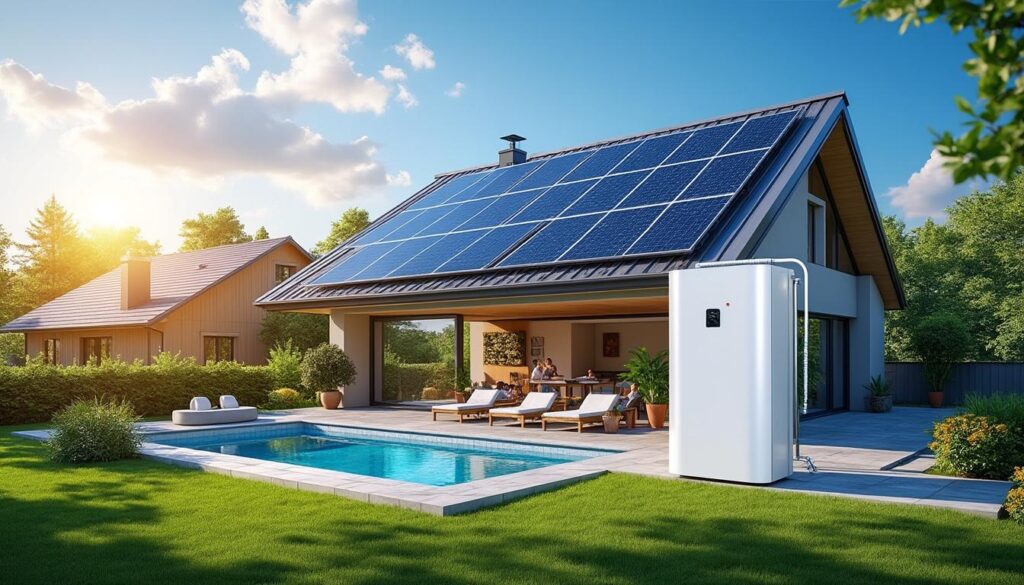
One of the often-overlooked factors in choosing solar panels is their aesthetics. Flexible solar panels, with their refined design and slim profile, integrate easily into various architectural styles. Unlike rigid panels, which can clash with the environment, flexible models have a much more discreet appearance.
This harmonious integration is particularly appreciated by homeowners concerned about the exterior appearance of their homes. Whether in a new project or during a renovation, flexible solar panels bring a modern look that attracts the eye without altering the building’s character.
- Discreet and elegant design
- Easy to integrate into many environments
- Modernizes the appearance of a residence
Multiple and Versatile Applications
The applications of flexible solar panels are not limited to residential installations. These versatile devices also find their place in the leisure and temporary event sectors. For instance, during festivals or outdoor activities, their lightness and flexibility make them ideal allies to power equipment without access to electricity.
Users seeking energy autonomy for their camping adventures or boat owners looking for a solution for more ecological navigation can opt for these innovative panels. This solidifies their popularity in a world where the quest for efficiency and sustainability is becoming essential.
| Type of Application | Advantage of Flexible Panels |
|---|---|
| Camping | Energy autonomy, lightweight |
| Boats | Installation on curved surfaces |
| Temporary Events | Ease of transport and quick installation |
A Total Ecological Commitment
Adopting flexible solar panels is above all a commitment to an eco-responsible approach. Solar energy is renewable, clean, and accessible. By choosing to turn to this technology, the user participates in the energy transition. It is more than just a technological choice: it is a civic act. Using solar energy significantly reduces one’s carbon footprint while contributing to a better future.
Policies supporting renewable energy, such as financial aid for purchases or tax incentives, make this transition even more accessible. By 2025, a growing interest in sustainable resources will enhance this momentum. Everyone can thus make an informed choice for their home, contributing to a greener society and the development of sustainable housing.
- Reduction of dependence on fossil fuels
- Support for energy self-sufficiency
- Contributing to a sustainable future for future generations
Ecological Initiatives and Solar Panels
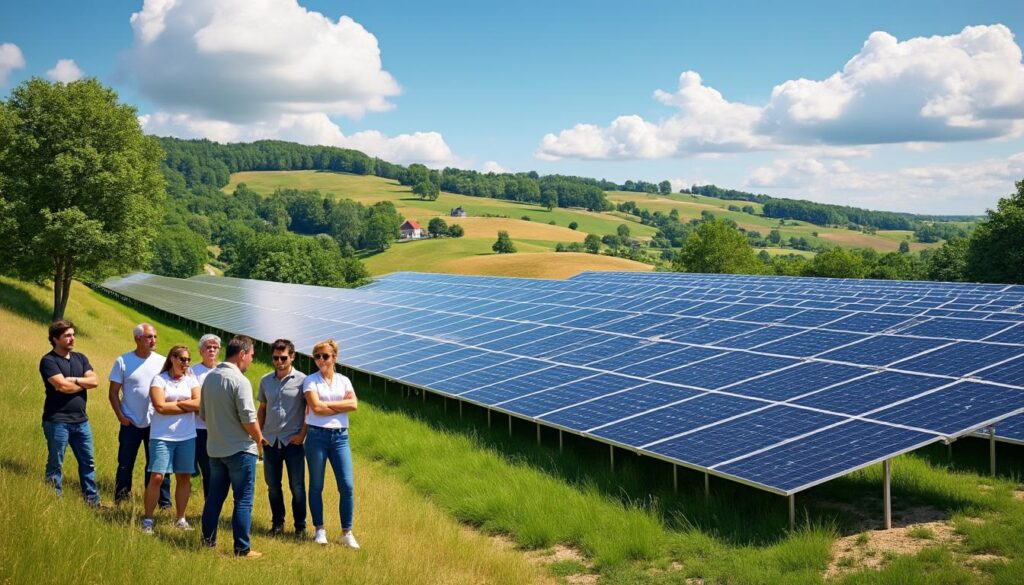
Many companies, such as SolaireInnov, EcoPan, and FlexiSolar, are at the forefront of this energy revolution. They are committed not only to providing quality solar panels but also to raising public awareness about today’s energy challenges. Such a transition will require collective efforts, but the results could change our world for the better.
FAQ
What are the main advantages of flexible solar panels?
Flexible solar panels offer advantages such as their lightness, flexibility, performance in varied conditions, reduced installation costs, and aesthetic integration into different environments.
Can flexible solar panels be installed on a boat?
Yes, flexible solar panels are ideal for installation on curved surfaces such as those of a boat, their flexibility allowing them to adapt easily.
How do these panels contribute to ecology?
By producing electricity using solar energy, flexible panels decrease dependence on fossil fuels, thereby reducing users’ carbon footprint.
What is the average installation cost of flexible solar panels?
The installation cost of flexible solar panels ranges between €5,000 and €10,000, which is generally cheaper than rigid panels, thanks to their simplified design.
Do flexible solar panels require special maintenance?
No, flexible solar panels are often designed with resilient materials, significantly reducing their maintenance needs compared to traditional rigid panels.