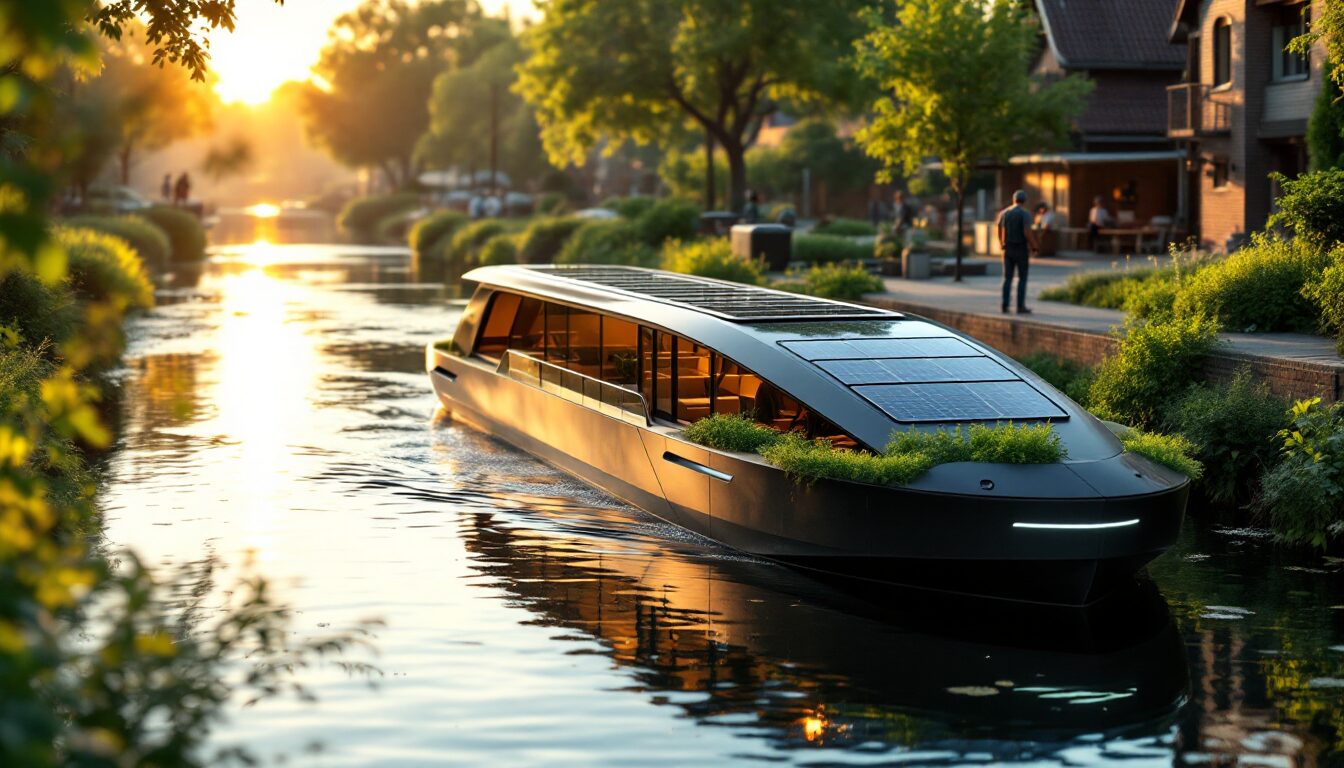
In the world of river tourism, an exceptional ship has recently made headlines: the LaPéniche eXP model, meticulously built in Digoin. This jewel of technology combines innovations in solar panels, biofuels, and a filtered freshwater system, demonstrating that the future of river navigation can correlate with sustainability and renewable energy. Through several sections, let’s dive into the heart of this incredible adventure, exploring the various facets of this ambitious, eco-sensitive, and forward-thinking project.
- The shipyard in Digoin
- Innovations: solar panels and green technology
- Biofuels: an environmentally friendly alternative
- Filtered freshwater: technologies for comfort on board
- The future vision of river tourism
The shipyard in Digoin
Located by the Centre Canal, the CPC shipyard, a subsidiary of the Canalous group, is a family business that embodies the spirit of innovation and sustainability. With a team of around a dozen employees, CPC has been committed to the production of eco-friendly ships since the 1980s. The workers in Digoin are not merely boat builders; they are craftsmen of a broader movement dedicated to reducing the environmental impact of river tourism.
In its workshops, it is not uncommon to see a blend of tradition and modernity, where the ancestral know-how of artisans coexists with the latest innovations in shipbuilding. The LaPéniche eXP model is the result of hard work integrated into the vision of a company that understands the importance of moving towards a green transformation.
The roots of innovation in Digoin
In Digoin, the history of river tourism and the passion for navigation blend harmoniously. The Canalous company has successfully reinvented its ships over the years, following the course of trends and environmental challenges. With each new model, one can observe the impetus of innovations aimed at reducing pollution and enhancing the experience of leisure boaters. The French canals, which were once simply waterways, are becoming spaces for relaxation and escape where nature remains at the center of concerns.
The challenges are numerous: the transition to a greener economy requires investment, expertise, and a team ready to tackle technological challenges. Through close collaboration between engineers and craftsmen, CPC productions include environmentally friendly propulsion systems, making them compliant with the requirements of sustainability and green technology.
| Year | Innovation | Description |
|---|---|---|
| 2018 | Electric boat | First boat built with electric motors. |
| 2023 | Hydrogen boat | Model designed to use hydrogen as an energy source. |
| 2024 | Use of HVO | Replacing diesel with hydrotreated vegetable oil. |
Innovations: solar panels and green technology
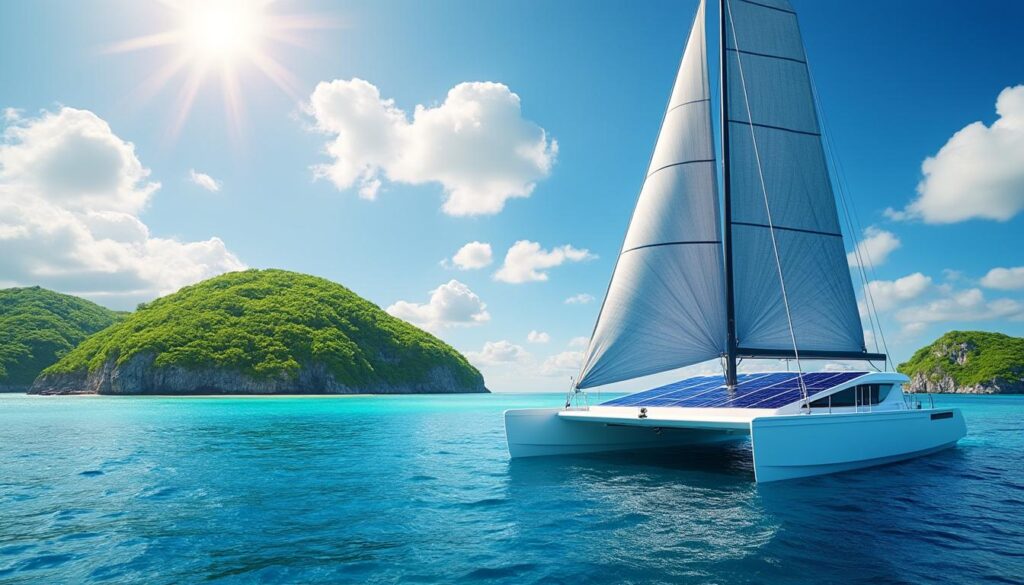
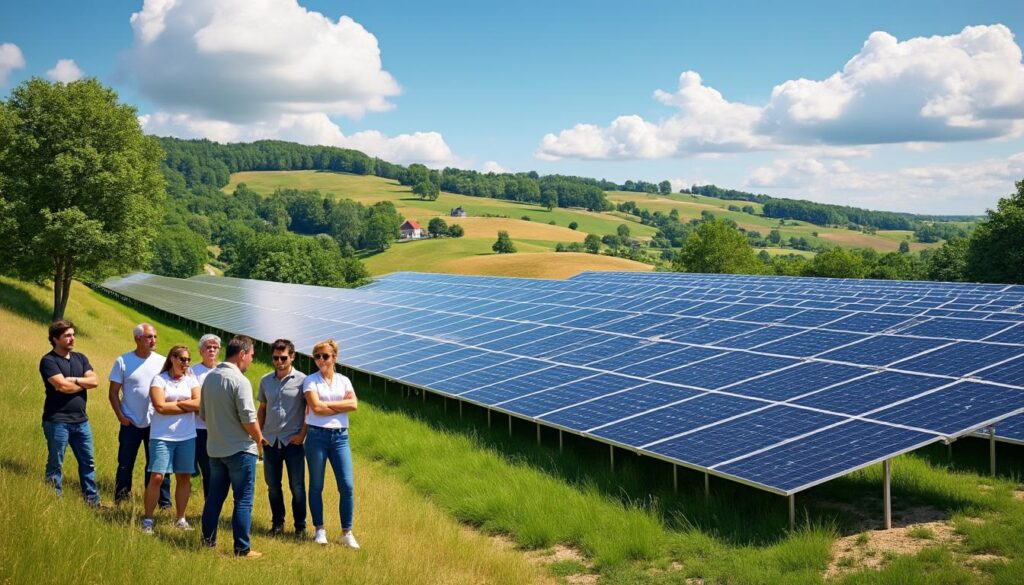
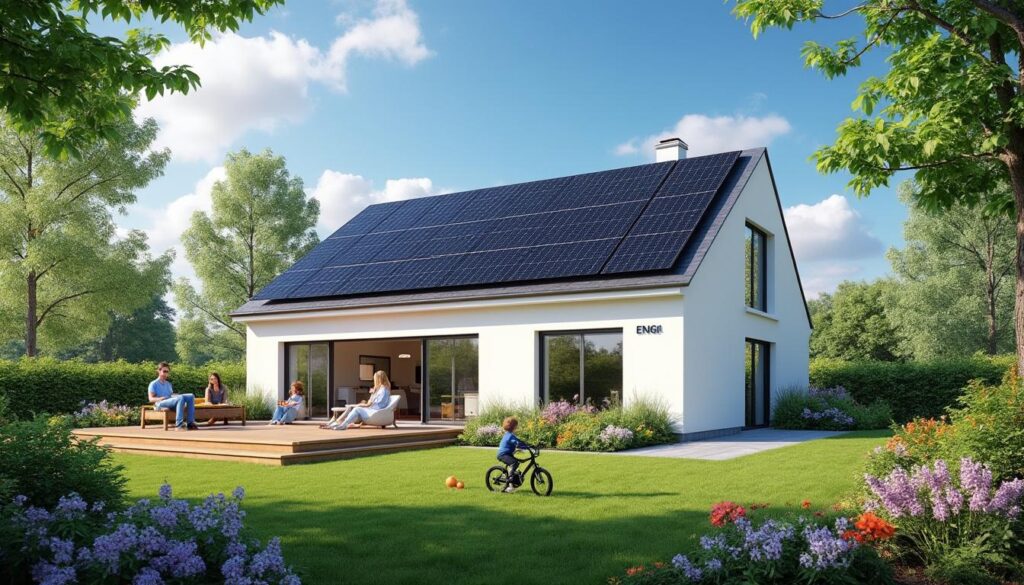
The LaPéniche eXP model particularly shines thanks to its strategically integrated solar panels. The use of solar energy in a nautical setting is a bold step towards a greener future, allowing for extended energy autonomy during cruises. Solar panels are not just a simple accessory; they become a true source of renewable energy capable of supplying the necessary power to all devices on board.
In this innovative approach, it is interesting to note that these solar panels are not only efficient but also durable. Indeed, they are often designed to withstand the whims of the climate while being aesthetically integrated into the deployment of solar batteries. Owners of the LaPéniche eXP will thus be able to navigate and dock without fear of interrupting their journey due to a lack of energy.
The advantages of solar panels
When it comes to solar panels, here are some benefits to consider:
- 🏷️ Energy autonomy: Reduces dependence on non-renewable energy sources.
- 📈 Reduced operating costs: The savings achieved on consumption can be considerable in the long term.
- 🌱 Minimal environmental impact: Less pollution and a significantly reduced carbon footprint.
- ⚙️ Ease of installation: Modern technologies facilitate integration into boats of all sizes.
The challenges of the ecological transition in the nautical sector are becoming increasingly crucial. Currently, navigating on a model like the LaPéniche eXP means actively participating in an ecological approach while enjoying the pleasure of navigation.
| Energy type | Application | Environmental impact |
|---|---|---|
| Solar panels | Electricity production on board | Reduction of CO2 emissions |
| Hydrogen energy | Boat propulsion | No pollution during combustion |
| HVO | Alternative fuel | Use of renewable resources |
Biofuels: an environmentally friendly alternative
The energy transition is not limited solely to autonomy related to solar panels. Innovation in biofuels is also at the heart of the LaPéniche eXP project. In 2024, the Canalous chose to use a new form of fuel: hydrotreated vegetable oil or HVO. This revolutionary biofuel is designed to be not only efficient but also environmentally friendly.
HVO, produced from vegetable oils, offers multiple benefits. By replacing conventional diesel with this fuel, ships contribute to reducing their carbon footprint while limiting their emissions of fine particles. The adoption of this biofuel is a strong signal in favor of a maritime industry eager to turn towards more sustainable practices.
The advantages of biofuels
Here are some key points regarding the use of biofuels:
- 🌿 Renewable resources: Avoid the depletion of traditional fossil resources.
- 📉 Emission reduction: Limiting air pollution compared to fossil fuels.
- 💵 Economic benefits: Competitive price in the long term due to the use of local resources.
- 🌍 Awareness: By choosing these alternatives, users commit to respecting and preserving the environment.
Thus, the choice of biofuels on the LaPéniche eXP represents a decisive turning point for the nautical sector, showing that it is possible to navigate while respecting the planet.
| Type of biofuel | Source | CO2 emissions |
|---|---|---|
| HVO | Vegetable oils | Up to 90% reduction compared to diesel |
| Biodiesel | Animal and vegetable waste | 50% reduction compared to conventional diesel |
| Ethanol | Sugarcane, corn | 30% reduction compared to diesel |
Filtered freshwater: technologies for comfort on board
Another important aspect of the LaPéniche eXP model is its filtered freshwater system. Navigating the canals often exposes one to various conditions, and a potable water supply can be a concern. Thanks to this technology, boaters can now benefit from freshwater on board, without having to worry about the quality of the fresh water.
This innovative filtration system allows the conversion of canal water into drinking water, thus symbolizing a significant advancement in the available comfort conditions on ships. Being able to eliminate up to 99% of impurities, the system ensures safety and freshness for passengers. This becomes a real asset during long cruises, where access to freshwater might pose challenges.
The advantages of filtered freshwater
Filtered freshwater systems provide various benefits, including:
- 🚰 Permanent access: No need to search for potable water sources during stops.
- 👍 Health and safety: Guarantee of quality drinking water, essential for passengers.
- 🔄 Durability: Reduction of plastic waste related to water bottles.
- 🌊 Environmental practice: Use of a renewable resource for treatment.
This device once again demonstrates that technological advancements can transform river navigation into a richer and more enjoyable experience while addressing environmental concerns.
| Filtration type | Capacity | Main benefit |
|---|---|---|
| UV filtration | 99% purification | Removal of impurities and pathogens |
| Reverse osmosis filtration | Preparation of drinking water | Extraction of unwanted salts and minerals |
| Active carbon filter | Water treatment | Improvement of taste and odor |
The future vision of river tourism
Looking ahead, it is clear that river tourism has a crucial role to play in the ecological transition. With initiatives such as the construction of the LaPéniche eXP model in Digoin, the trend points towards a maritime revolution aware of environmental issues. The Canalous position themselves as pioneers in the industry, creating a model for other shipyards to follow.
The sector is navigating towards upheaval by focusing on innovation and investing in green technologies. Through this transformation, not only is the way of navigating evolving, but there is also a new collective awareness toward respecting nature. The canals and rivers of France can once again become spaces for relaxation, escape, and environmental respect.
What does the future hold?
Here are some interesting avenues to consider for the future of river tourism:
- 🌐 Integrated technologies: The use of AI and connectivity to optimize navigation.
- 🏖️ Renewable energies: Expansion of the use of solar energy and biofuels across all models.
- 🚴♂️ Sustainable tourism: Promotion of cruises that respect the local ecosystem and foster a circular economy.
- 🎉 Friendliness: Enriched onboard experiences through environmentally friendly activities.
The stakes are both exciting and crucial as navigation on our beautiful canals becomes increasingly focused on sustainability and ecology.
| Aspect | Significant advancement | Potential impact |
|---|---|---|
| Sustainable energy | Solar panels and biofuels | Reduction of greenhouse gas emissions |
| Water quality | High-end filtration systems | Assurance of pure drinking water consumption |
| Friendliness | Respectful onboard activities | Strengthening ties between passengers and nature |
FAQ
What are the main advantages of LaPéniche eXP?
This model offers energy autonomy thanks to its solar panels, uses sustainable biofuels, and has a filtered freshwater system, thus ensuring exceptional onboard comfort while respecting the environment.
How does the filtered freshwater system work?
The filtration system converts canal water into drinking water, eliminating up to 99% of impurities, allowing passengers to benefit from a source of fresh water on board.
What biofuels are used in LaPéniche eXP?
The boat uses hydrotreated vegetable oil (HVO) as biofuel, providing an environmentally friendly alternative to conventional diesel.
What are the impacts of using solar panels on boats?
Solar panels reduce dependence on fossil fuels, decrease operating costs, and limit the carbon footprint while providing a renewable energy source on board.
What is the future vision of river tourism according to the Canalous?
The Canalous see the future of river tourism focused on innovation and sustainability, integrating new technologies while protecting the environment.